
The times, they are a changing, particularly when it comes to off-site beer festivals.
We picked up on it pretty easily just by attending events around Albuquerque this year. The 2022 enthusiasm for the return of festivals was pretty obviously tilted towards the beer drinkers, and not the beer producers. It was an aberration, right?
Not quite. We still reflect on what Marble brewmaster Josh Trujillo told us about the Great American Beer Festival. An event that used to sell out in hours, months in advance, still had tickets left in the days leading up to the gathering at the Denver Convention Center. Inside, brewery attendance dropped from about 800 in 2022 to 500 in 2023.
“GABF was not nearly as busy this year,” Trujillo told us back in September. “There was a lot of breweries that did not participate this year, and though the vibe on the floor was very much beer, there wasn’t nearly as many people. I don’t know if that was … I really don’t know what it was. I was speaking with some breweries that didn’t attend, and financially they couldn’t make it out, and I know that some people were disappointed that it was no longer the Great American Beer Festival, it was the Great American Beverage Festival. I think the addition of seltzers and ciders and alternative beverages have really changed people’s perception about participating.”
In Albuquerque and other places in New Mexico in 2023, the off-site festival scene was a mixed bag. The Brewers and Distillers Cup, seemingly a big hit in 2022, saw a marked drop-off in attendance by breweriesand distilleries. The Great New Mexico Beer Festival, a new event that was packed at Balloon Fiesta Park the year before, did not return at all. While ABQ Beer Week was still a thing, its centerpiece festival, Blues & Brews, was not held.
New Mexico Brew Fest, now the oldest outdoor event in Albuquerque, had an even tougher time getting breweries to sign up than in 2022.
“It’s still, I don’t know if it’s a staffing thing, but a lot of breweries are not going to do it,” organizer/co-founder Kevin Hopper told us before the mid-October event. “I don’t know if it’s an Albuquerque thing, but a lot never get back to you. I would at least like a ‘we’d love to do it, but we can’t this year.’ Instead, they just ghost you.”
It was not just an Albuquerque thing. Ullr Fest, held annually at the Pajarito Ski Area above Los Alamos, saw two breweries drop out a couple weeks in advance, and a third just never showed up the day of the festival. The organizers on site told us they were disappointed, but ultimately understood the issues breweries are facing.
Add it all up, and it becomes clear that the future of beer festivals in New Mexico, and the entire country, has become an open question. We reached out to the breweries to gather their opinions, and while only a few got back to us, their answers to our questions provide a glimpse into what has changed, what still needs to change, and what the future might hold.
Brewery size does matter
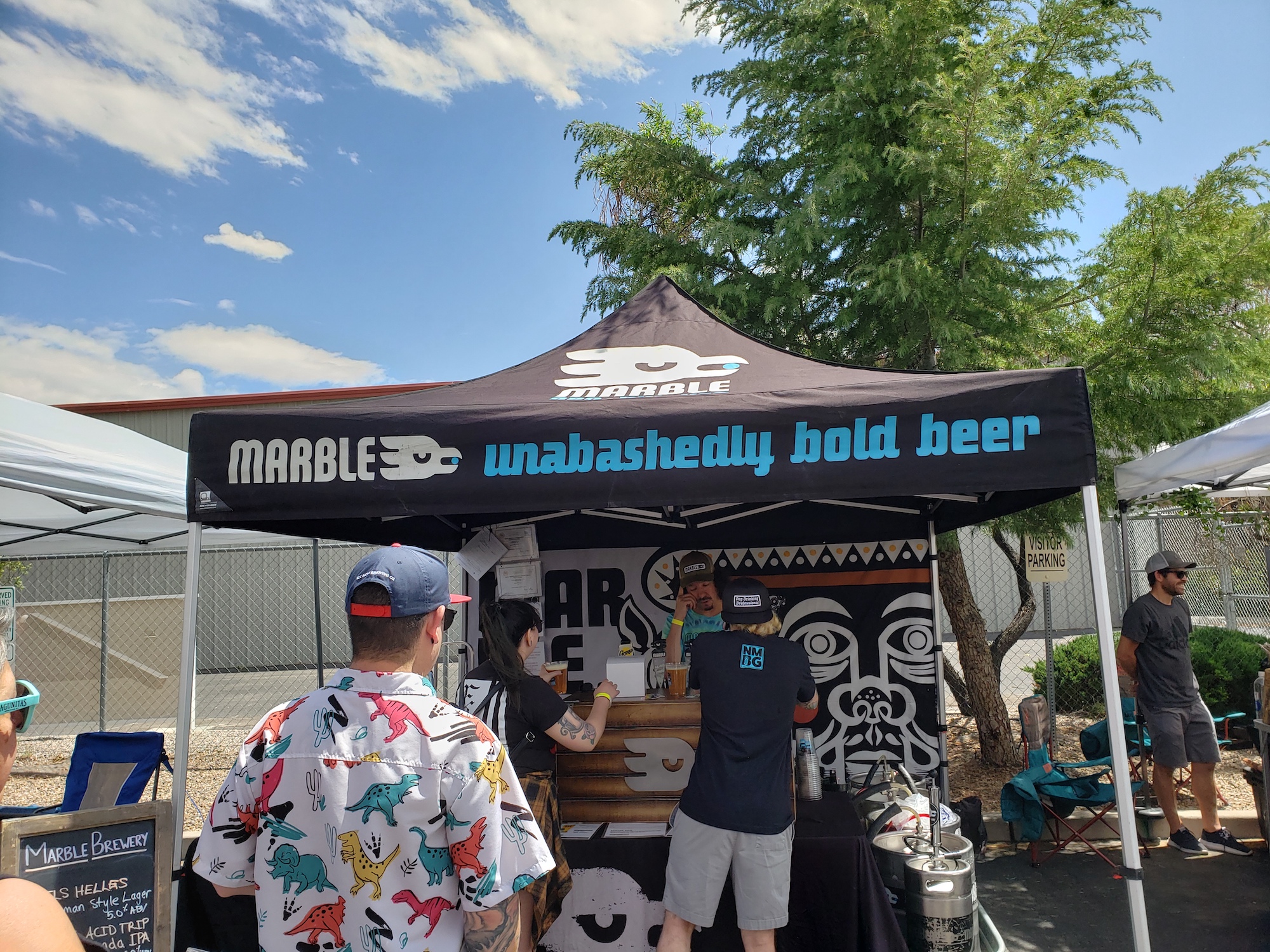
One thing has remained true among breweries: the bigger you are, the easier it is to attend an off-site festival.
First, larger staffs mean a brewery can spare a few warm bodies that might otherwise be needed first and foremost to man the taproom(s). Second, the largest packaging-and-distribution breweries can often count a festival as a promotional write-off for tax purposes.
As for smaller production breweries, brewpubs, and the little hole-in-the-wall spots, festivals can be more costly than profitable.
“Turtle Mountain not being a packaging brewery and having significant staffing issues has rolled back the number of festivals that we attend,” owner Nico Ortiz said. “If we can’t make at least a thousand dollars in sales, or (unless) the event is a staff favorite like WinterBrew up in Santa Fe, then we take a pass. It’s getting so difficult and costly to set up off-site festivals that the only ones who seem to do it are out-of-state groups, which is sad.”
Mariah Cameron Scee, who seems to do everything at Second Street these days short of making the beer, often takes the lead for the brewery when it comes to festivals.
“We chose to attend or pass on festivals for a variety of reasons and did not attend as many in the 2023 calendar year as we did in 2022,” she said. “Reasons we might pass on a festival vary, some festivals offer little in the way of exposure or seemed under-attended by customers in the past, some are just too long — leading to tired staff (who are unlikely to want to work that fest again) and overly sauced patrons.”
Another issue for Second Street, and many other breweries outside the Albuquerque metro area, is that festivals are centered down here in the biggest city in the state, leading to extra burdens.
“Some are basically the same as another festival being held that year in the same location,” Mariah said. “Some festivals aren’t upfront at the start about what they want from the breweries. Some festival organizers are pushy! They don’t acknowledge the amount of time and labor it takes a small craft brewery to mobilize staff and beer for what usually ends up being a 12-plus hour day if it’s out of town.”
Ortiz said the combination of a lack of profitability from festivals from breweries and a lack of available staff to man the jockey box kept Turtle Mountain from attending many events.
“With two huge restaurants to service, and a brewery move in the works, we need our limited supply of beers to make as much money as possible for us,” he said. “In addition, with skeleton staffing right now we don’t have the bodies to work these fests, and the ones who do want to get paid for being there, so the necessity of us selling beer is very important.”
Mariah said it will take a lot of advance planning to make sure that Second Street can be present in 2024.
“And on staffing — I view it more as looking at the year as a whole — I know I can commit to staffing and attending X number of events each season, that it will be hard for me to staff two big weekends in a row, and harder still to staff multiple events on one day,” she said. “I look at ‘essential’ events we normally attend, add those to the calendar alongside NMBG events, and then I start looking at others to round out the year.”
Finding meaning in festivals

Once upon a time, when we still called them micorbreweries, festivals were a great way for a brewery to get needed exposure in a world dominated by the big beer brands. Now we all exist in an era with more than 10,000 craft breweries across the United States.
Do festivals still provide good exposure, and do breweries even need that exposure anymore?
“Knowing that nearly 100 percent of our patrons live on the Westside, Turtle Mountain doesn’t do many events on the east side of the river,” Ortiz said. “We will be 25 years old next year, so we aren’t looking for exposure anymore. We are looking for dollars that we can put in the bank.”
Another brewery owner, who asked to remain anonymous, had a different take.
“Exposure and relevance on the scene will always be important for new breweries and mature ones,” he said. “We are still pretty young and hungry and getting in front of people to drive more traffic to taprooms and our brand is very important. They are also a nice extra revenue center. I think we made over $20,000 in extra revenue this year from festivals. Finally, they are just fun!”
Second Street owner Rod Tweet agreed that it comes down to money now far more than exposure.
“In general, the off-site events/festivals, while they can definitely be valuable exposure, have always been kind of a resource drain for most breweries, (the labor, the beer, the bandwidth), with basically no income on a whole, if you look at all the events a brewery does over a year,” he said. “So, straight up marketing overhead. And now, post-pandemic, it’s even more of a struggle to have staff that we can spare available. So, I think lots of people have had to get choosy out of necessity. Another issue that is coming up more, is changes to the insurance markets in our state for carriers that offer General Liquor liability. It’s starting to cost more to carry insurance that will cover off-site, if you can get it.”
“There are not a lot of sales in beer festivals, we’re basically giving the beer away in the name of marketing, so I chose festivals to attend that give us good exposure, benefit a cause, or connect with our loyal base,” Mariah added. “That last is really important — sometimes we attend an event just for the locals.”
Benefiting a cause, however, has become a bigger focus for many breweries. Certainly, supporting the New Mexico Brewers Guild through its primary festivals/events (IPA Challenge, WinterBrew, Blazin’ Brewfest, Beer Premier) remains paramount for many breweries. Other cause-centered events, with a specific charity or nonprofit at the center, can also bring breweries out of their taprooms.
“It’s much easier to justify going to an event and not making any money of the proceeds are used to benefit a local group or organization that is a staff or patron favorite,” Ortiz said. “That being said, the number of those events that Turtle Mountain will attend is very limited. We don’t have the volume of beer to give away that a packaging brewery does.”
Host your own fest
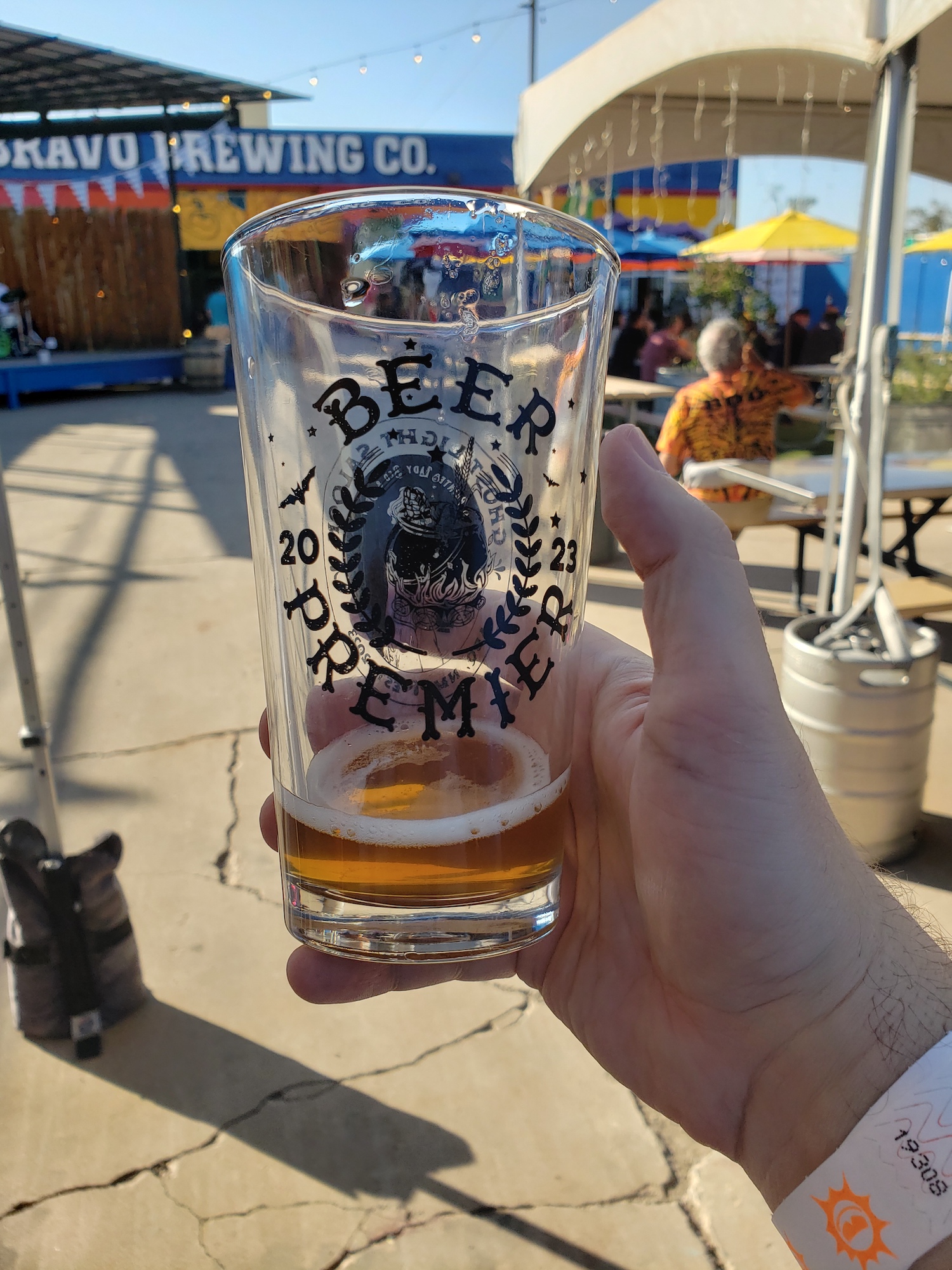
One trend that we have noticed is that there is now another emerging option besides going to a neutral site like Balloon Fiesta Park, the State Fairgrounds, a tribal casino, or other such places. Breweries are more and more often hosting their own festivals.
Ex Novo hosted Lagerhosen last year and United in Beer this past May. Boxing Bear has kept the annual Bear Fest in its own parking lot at the Firestone Taproom. Rio Bravo recently hosted the Beer Premier for the Guild for a second time.
In fact, Rio Bravo co-owner Denise Baker said she would like to offer her brewery’s space to many future festivals.
“That’s a definite, because what we’ve noticed is we have the space — 14,000 square feet — and the Brewers Guild (Beer Premier) went so well,” she said. “Everyone was able to have space. We don’t have to close (the taproom), that is the difference.”
Rio Bravo does have that advantage in that it can section off parts of its brewery, much in the way Ex Novo can keep the taproom open but have an event at the Corral, or Marble can separate elements of its events from the front stage to the back parking lot to the Skydeck upstairs.
Between the spacious back beer garden, to the area in between that and the main taproom (Baker called it The Pit Stop) to the upstairs barrel room, Rio Bravo can actually accommodate more than one event at a time.
“We’d like to reach out” to other breweries and invite them to utilize the different parts of Rio Bravo, Baker said. “We’ve done a lot of the (off-site) shows. It’s a lot of work to drive stuff there. It’s hit or miss. You have to pay employees. It’s just tough. I would like to see whether it’s us or any other large space, let’s do our own. Rather than be charged $500 or $600 or $800, we charge maybe $50 for a spot, and we reach out to other breweries, especially in the downtown area. Let’s promote all of us, let’s do a group event.”
Other breweries have mixed feelings on such one-brewery-hosted, multi-brewery events.
“I like the neutral locations better, so that every brewery has an equal chance to sell beer,” Ortiz said. “But we do participate in events like the Cask Festival at Sidetrack and Bear Fest at Boxing Bear since we like those breweries and owners.”
“I’m fine either way, as long as they are fair and we can at least reimburse our costs for being there or better yet make money,” said the anonymous brewery owner.
Of sampling and specialization
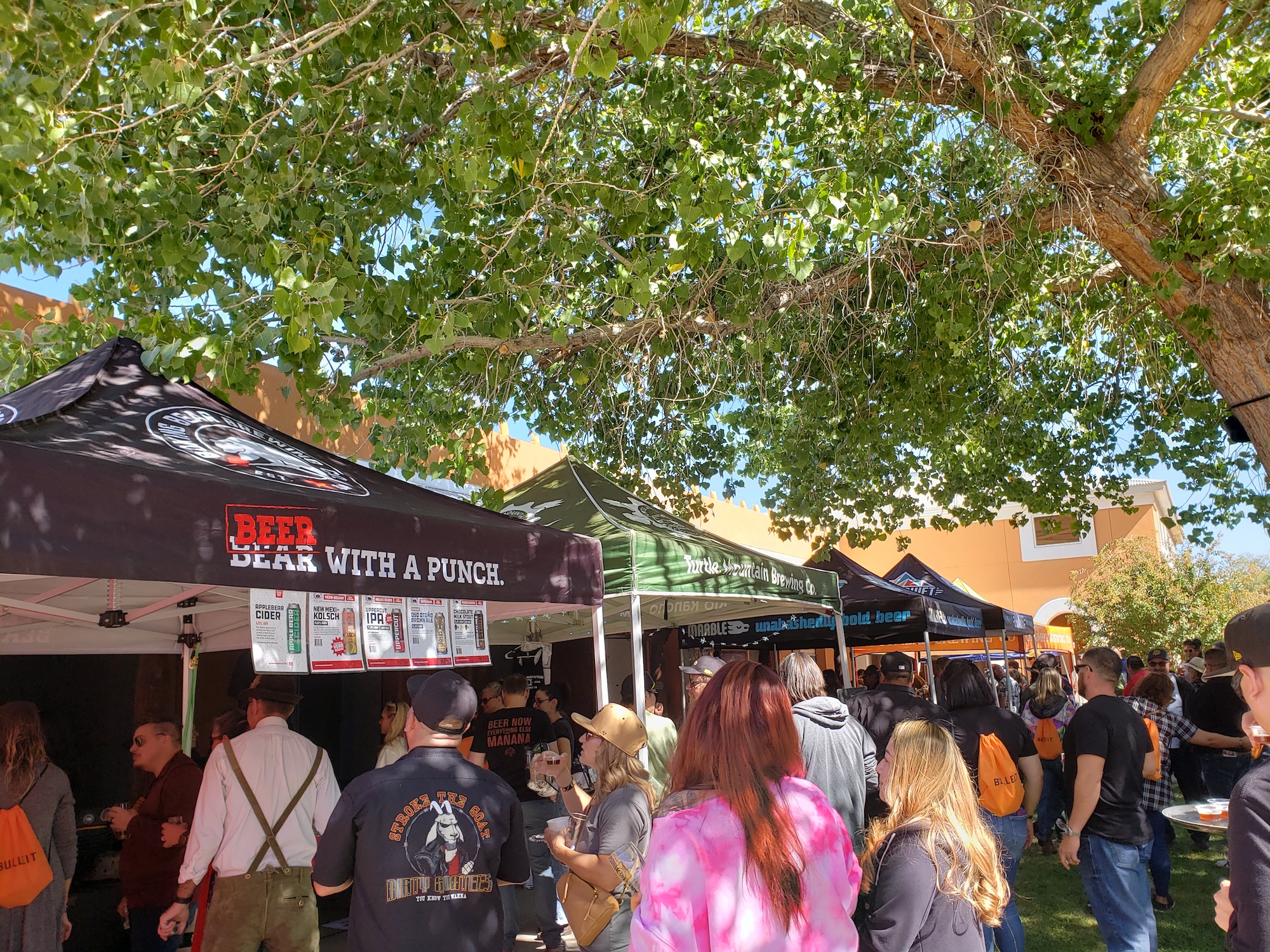
One area of agreement seemed to be that the unlimited sampling festivals need to evolve or die.
“Unless it is a Guild fundraiser like the Beer Premier, Turtle Mountain no longer participates in sampling events,” Ortiz said. “It’s not worth our time or beer. I don’t see those type of festivals being around much longer.”
A suggestion from Boxing Bear direction of operations Jay Knigge, during a recent conversation, was that the unlimited fests switch it up and go to a limited number of samples for free, plus a free pint, followed by patrons paying for additional samples and pints. That is already being done at many events, so eventually that trend may take hold at the few remaining holdouts.
“Most breweries can not afford to give out lots of free beer anymore,” said the anonymous brewery owner. “I’d like to see a set number of samples and the breweries get reimbursed for them. For example, charge $5 more at the door and give each person 10 sample tickets, breweries get 50 cents for each sample ticket collected.”
Another trend that we hoped would take off — specialized festivals built around specific styles (like the aforementioned Lagerhosen) — may remain fairly limited.
“I think that single style festivals are a great idea, but from a customer standpoint if you are not serving IPAs you will not attract the IPA crowd, who represents a strong chunk of festival attendees,” Ortiz said. “I personally would attend a lager fest like at Ex Novo before I go to an IPA event like IPAC.”
The anonymous owner concurred.
“I doubt it, I think focusing on one beer style will not have the pull required to make many events financially sound,” he said.
Tweet, on the other hand, was more optimistic. Second Street’s Crab and Pilsner Festival is a big annual hit, for instance.
“These type of festivals, when done well, with good brewery attendance can be a better value with more drawing power for the consumer, than the usual ‘25 breweries and a bunch of their beers’ type of format,” he said. “I personally think these more focused events have some potential. And, if brewers can leverage the use of their own properties to pull them off, that helps even more with the (overhead) and making them available to consumers at a reasonable price.”
The future is not yet written
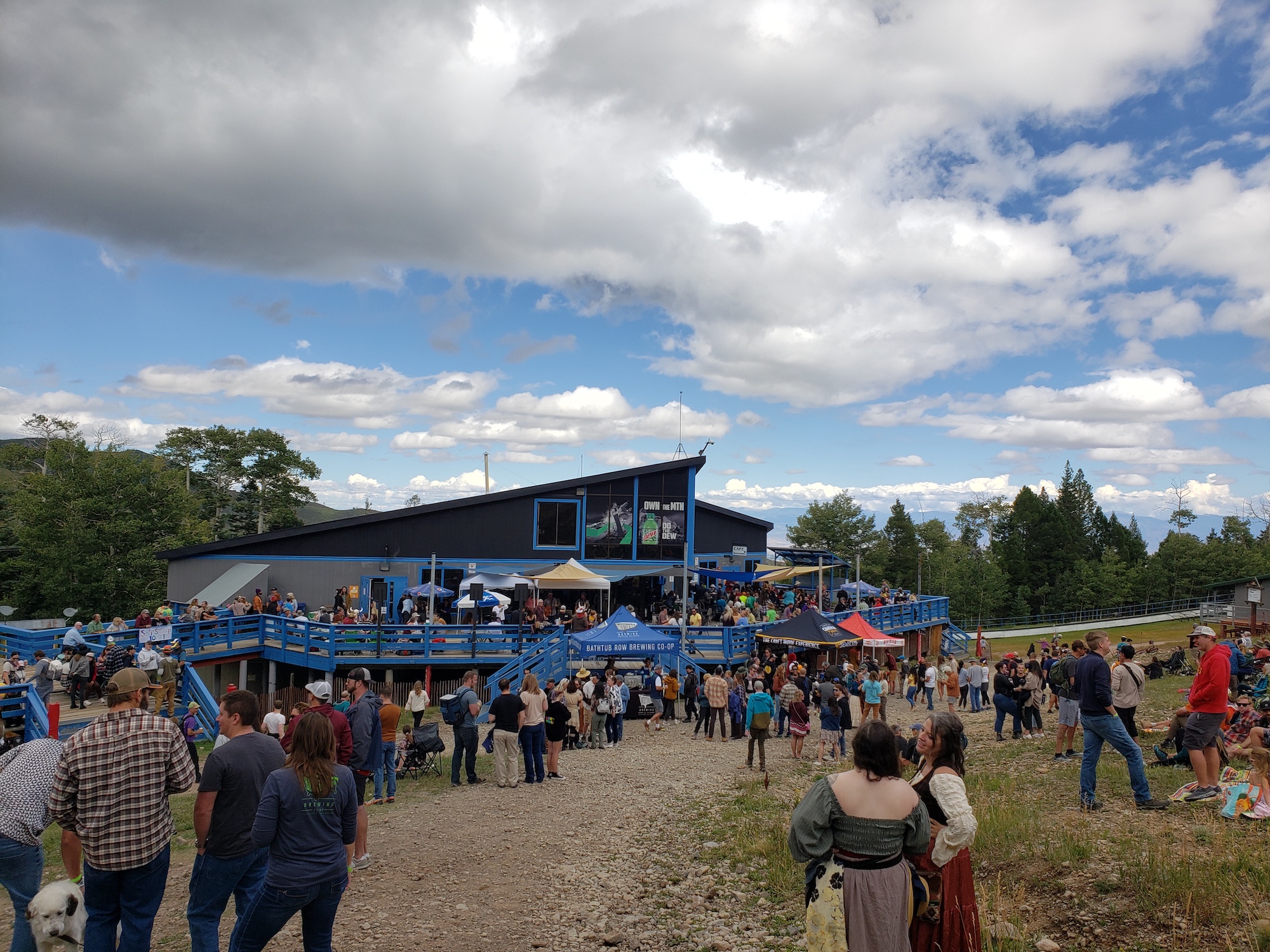
Above all else, we were reminded that no one really knows what is to come, both with off-site festivals and the breweries in general. For every pessimist there is an optimist, with many others landing somewhere in between. Brewery owners and their staff members have as many varied opinions as the people drinking their beer, in the taprooms, at home, and at festivals.
“I think they will continue, especially since they have really just started to come back after several years of COVID restrictions,” the anonymous owner said of off-site festivals. “However, we may see less really large festivals and more smaller to mid-size festivals that feature 12 to 20 breweries. This is a good number of breweries as any more and it gets difficult for the breweries to make money on these events.”
As this was just a small sample of breweries, we would still welcome more thoughts from the brewing community, and even some festival organizers, as well. We do offer anonymity, as shown here, if you worry that your views might ruffle some feathers. Most of you out there in the industry know how to reach me directly, either through my email or the Crew email at nmdarksidebrewcrew@gmail.com.
We also want to know what all of you beer-loving patrons think about festivals. What changes do you want to see? Or would you rather just drink at the taprooms and skip the festivals all together? There are no wrong opinions, so please share your thoughts via our email or leave us a comment or two on social media.
To an ever-evolving and hopefully brighter future, we raise our glasses.
— Stoutmeister
 DARK SIDE BREW CREW
While festivals are a nice way to sample a lot of different breweries all at once, they tend to be overcrowded with tipsy patrons and they’re expensive. Personally, I love it when individual breweries have events and especially when they benefit a local, worthy cause.