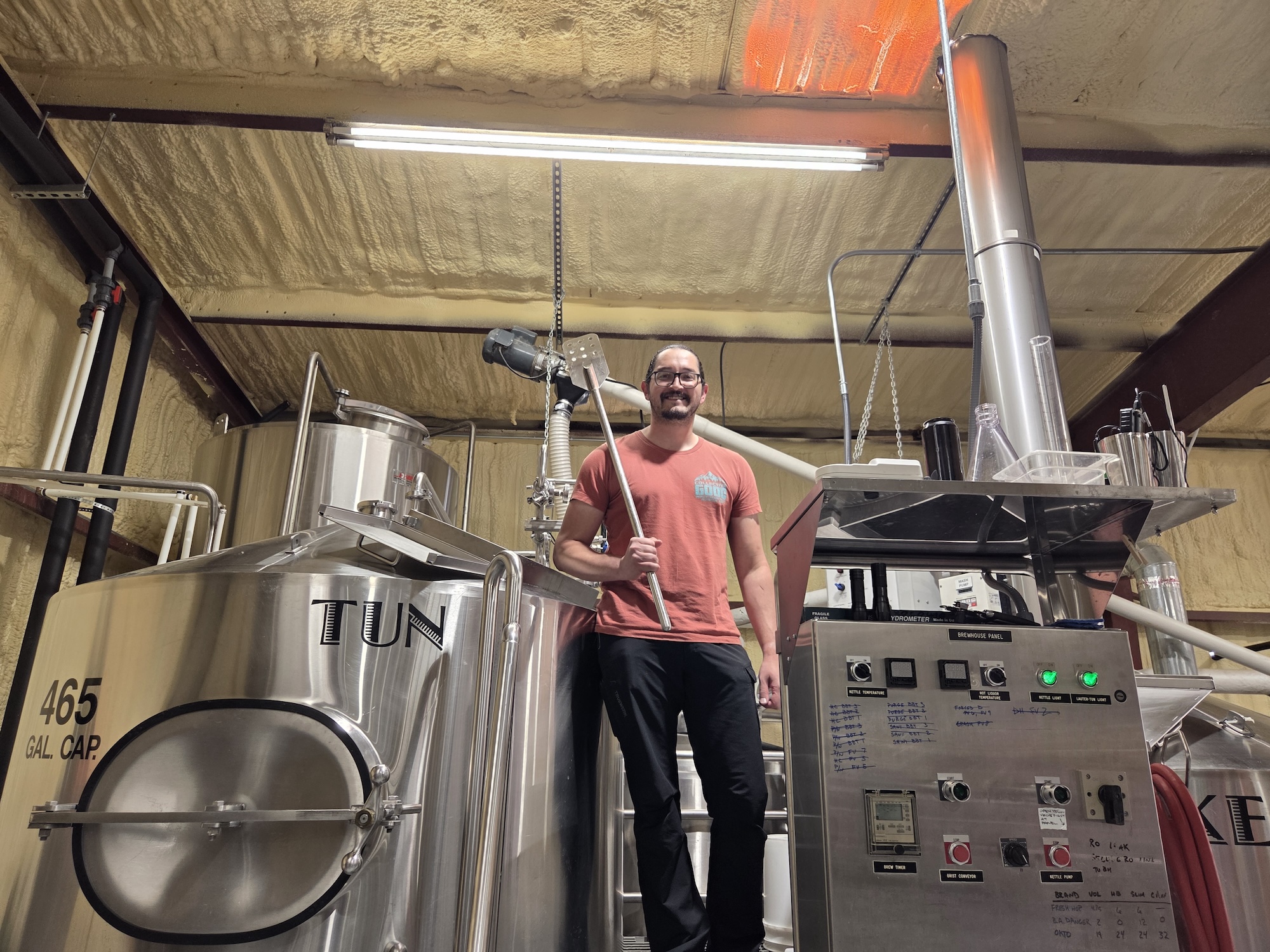
Space is something every brewery wants and needs. Space, though, gets filled quickly as a brewery grows, bringing a whole new set of challenges.
Downshift Brewing, for instance, had certainly outgrown their space in the back of the Hidden Tap in the heart of Ruidoso. Just gazing upon it back during our first visit in 2023 made us wonder how anyone could brew any beer, much less standout beer, in such a cramped space.
Heck, we wondered how co-owner/head brewer Eddie Gutierrez wasn’t going to turn into a hunchback beneath those low ceilings.
Thankfully, Gutierrez’s back and neck should be just fine now that Downshift has expanded into a separate brewery space south of the main drag in Ruidoso. I caught up with Gutierrez during our recent trip down to the Ruidoso Oktoberfest hosted at Downshift Riverside, as he was more than generous enough to carve out a little time to chat less than 24 hours before the biggest event of the year.
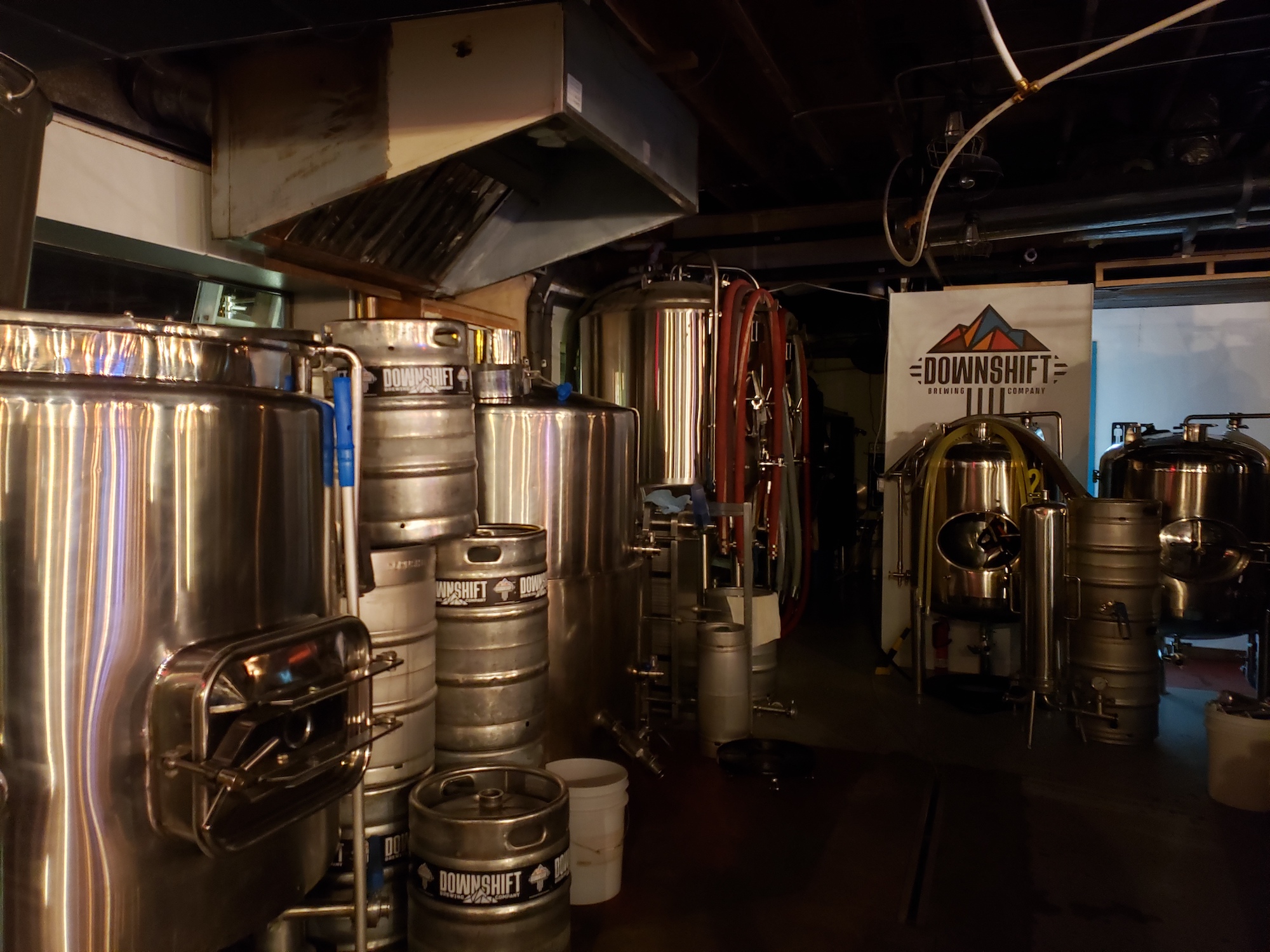
I reminded him of the Hidden Tap space and all he could do was shake his head.
“Yeah, oh man, that’s great (to have some space),” Gutierrez said. “I mean, yeah, you’ve seen the other place. It was pretty rough. The issue that we had was that there was no way to produce the amount of beer just that we needed for the two (taproom) locations.”
Enter the space out on Carrizo Canyon Road. Gutierrez said they began to move in last year, assembling it all piece by piece to create the modern-looking facility they now enjoy.
“So we actually bought the equipment starting in 2024, but not all of the equipment,” he said. “But, the brewhouse, and like the bigger tanks in the back.”
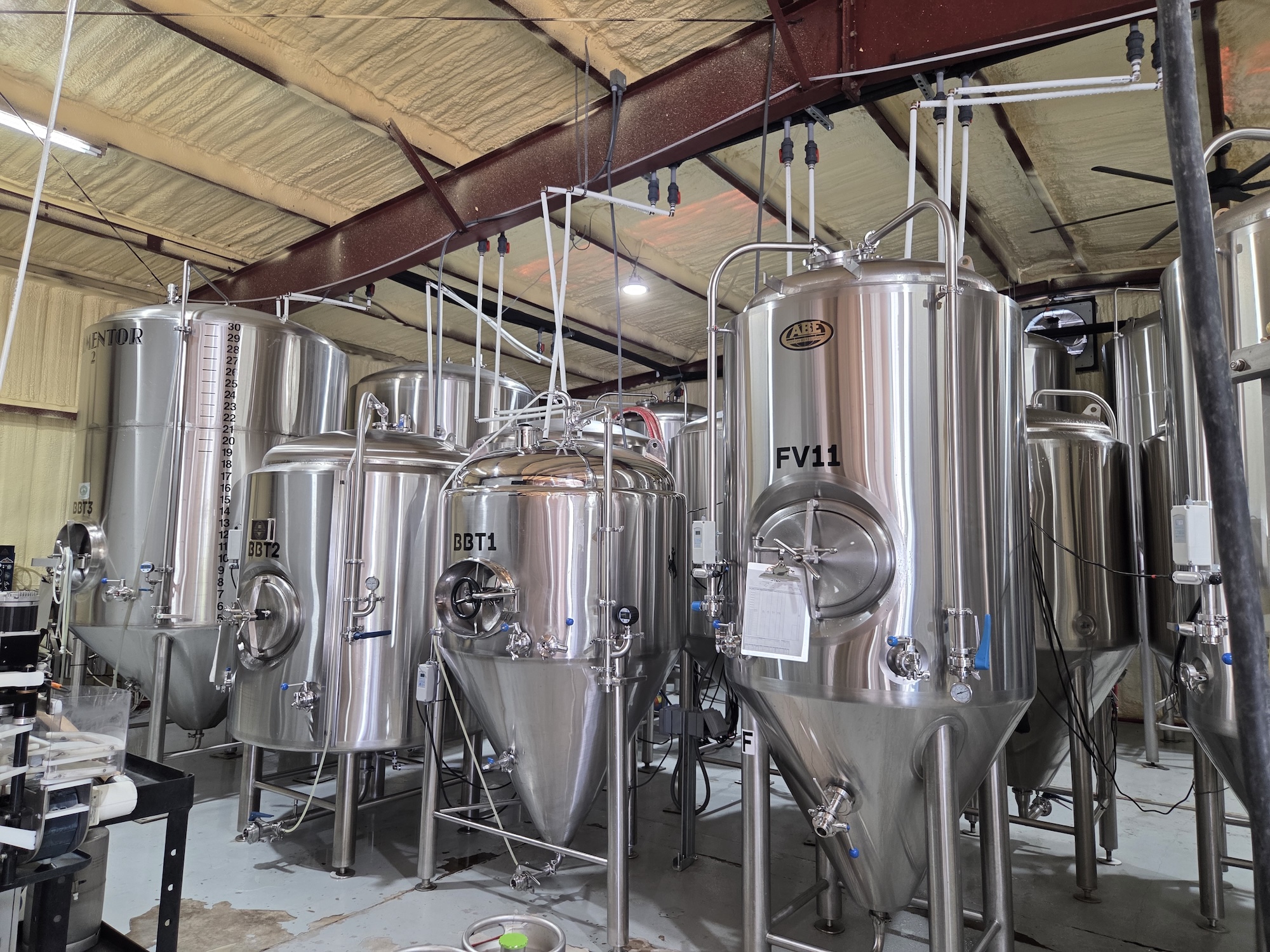
The prior occupants of the building had been aiming to set up a distillery, but that all fell through. Downshift moved in and started brewing last summer. The setup has grown ever since with some additional equipment brought from breweries that have closed.
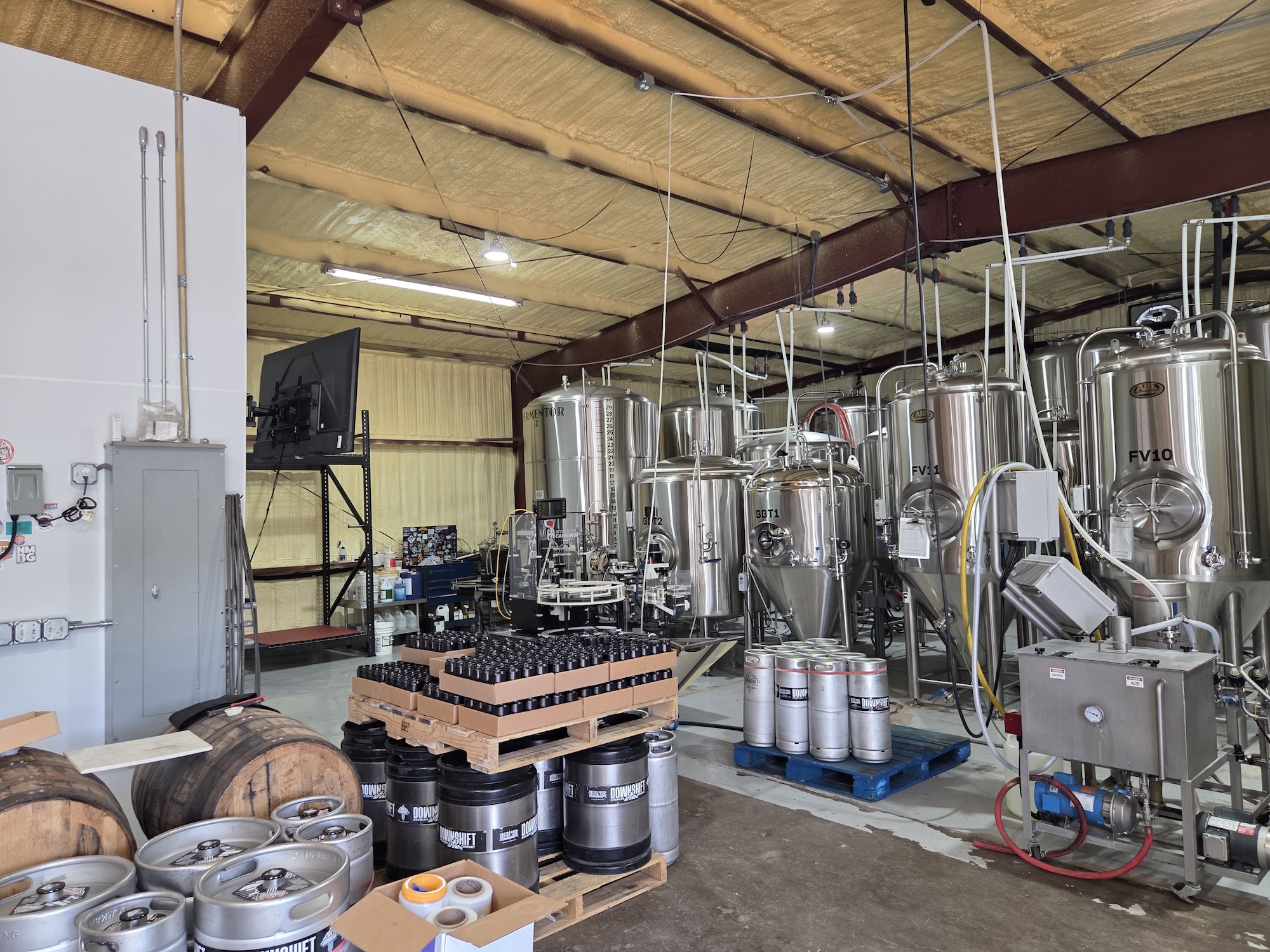
“I mean, we kind of piecemealed this whole thing together,” Gutierrez said. “We’ve slowly gone on, we’ve added pieces, like the two tanks in the back over there are old Bosque tanks. These two in the front of us are (former) Sobremesa tanks, so there’s a little bit of New Mexico all over this place.”
The Downshift team used spray-on insulation to further help keep temperatures stable inside the metal building. They put in the epoxy floor, though Gutierrez noted in a couple of places they will have to redo it, much to his clear annoyance.
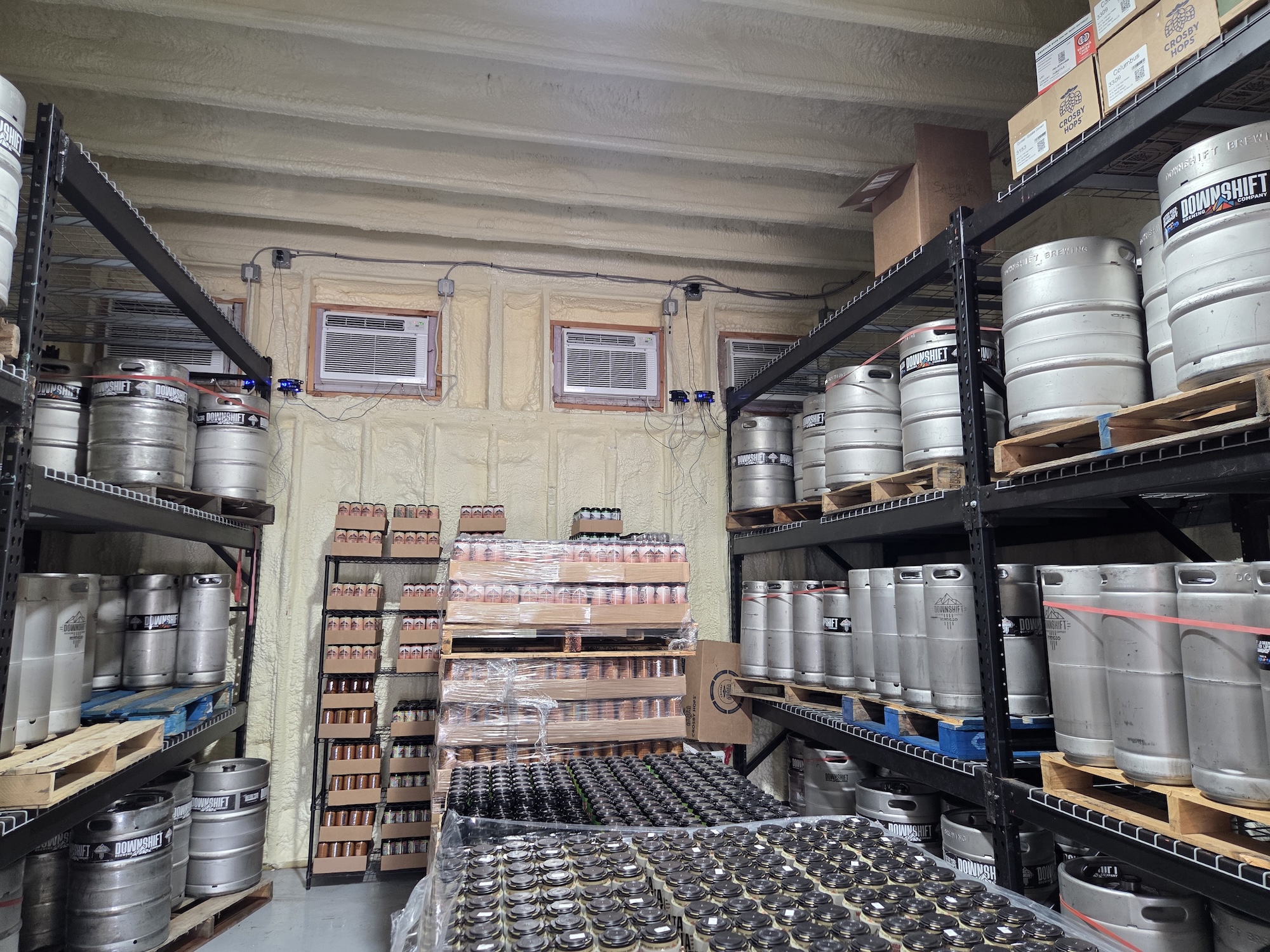
“So we’ll have to fix it,” he said. “We built the cold box so it was really this shell and we started working, and it kind of turned it into this.
“Our next phase, actually, because I saw that cold box is pretty full, then we’re gonna turn half of the remaining space into a (new) cold box. And all this (right now) offices and the restroom. We’re going to tear all that out and just leave the restroom. And, that (unused area) will be kind of just like dry storage for grain bags and cans.”
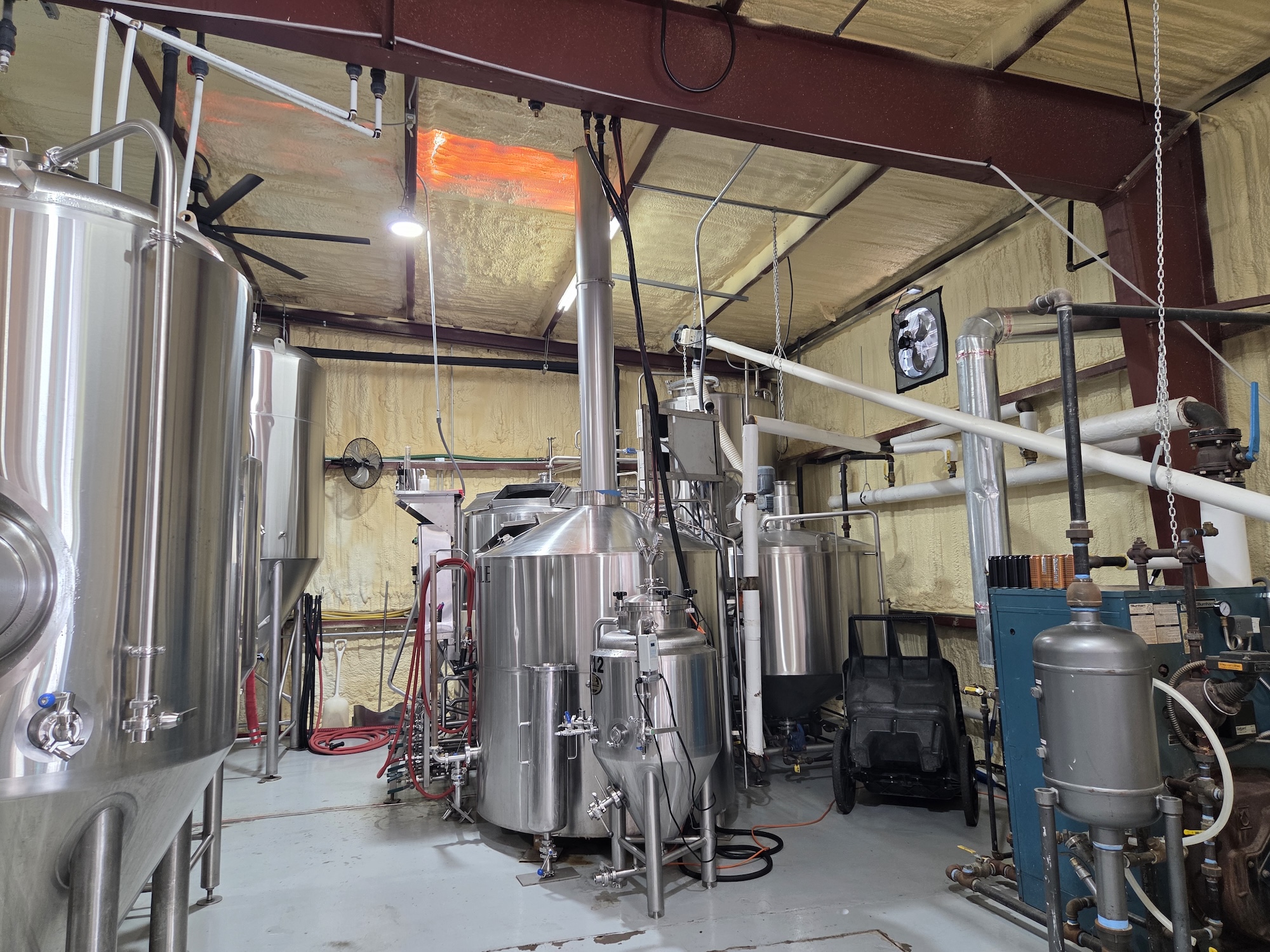
The brewhouse is a 15-barrel Liquid Assets system, though despite the name it was not the former Albuquerque brewery’s old system from the 1990s (that one is actually at Nexus, if you can believe it). This brewhouse came from Santa Rosa, California.
As for the fermenters, there are 30-barrels, 20-barrels, 15-barrels, 7-barrels, and even a little 1-barrel specialty batch fermenter (it was filled with a barleywine recently extracted from a long rest inside a Buffalo Trace barrel). The biggest tanks are for the most popular beers, the smaller ones are for one-offs and seasonals.
“I mean, at any given time, we have 16 beers on tap,” Gutierrez noted. “So it’s kind of nice to still keep that (experimentation) going down. Even with the bigger system.”
If anything, Gutierrez seemed like a much more relaxed brewer, which is impressive in the industry these days.
“Well, it was a 7-day grind at the other place,” he said. “I was just (working) around-the-clock, but the space was so small. It was just too much. It was tough, so this is nice because, you know the biggest problem with the old space is you can only do one thing at a time.
“It was either brewing or you were filtering, or you were packaging or you were cleaning, but you weren’t doing any two things at the same time. So here we have not only the space, but we also have the equipment.”
Gutierrez said it has definitely improved his quality of life, which is good with two young children and his wife and co-owner Shelby back at home.
It has also helped grow the Downshift staff, including adding a full-time sales representative for the brewery.
“Yeah, we’re getting more beer out the door,” Gutierrez said. “Bobby (Wren), the guy you just met, he came on and he’s our sales rep. So he sells everyday, anywhere. But, you know, he’s been a huge evangelist for our beer forever. We’ve never had something he could do right until we opened this place.
“And now, it’s like, OK, well, we have this space and the energy we can now go and sell beer at other places. You know, this year we got into our first convenience store, our first grocery store. We’re almost in every place in this town (Ruidoso), which is cool.”
Over the weekend, the Crew did drop some suggestions for places to start selling Downshift beers in the Albuquerque metro area, but we may have to wait a little while longer for that. For now, southern New Mexico cannot seem to get enough.
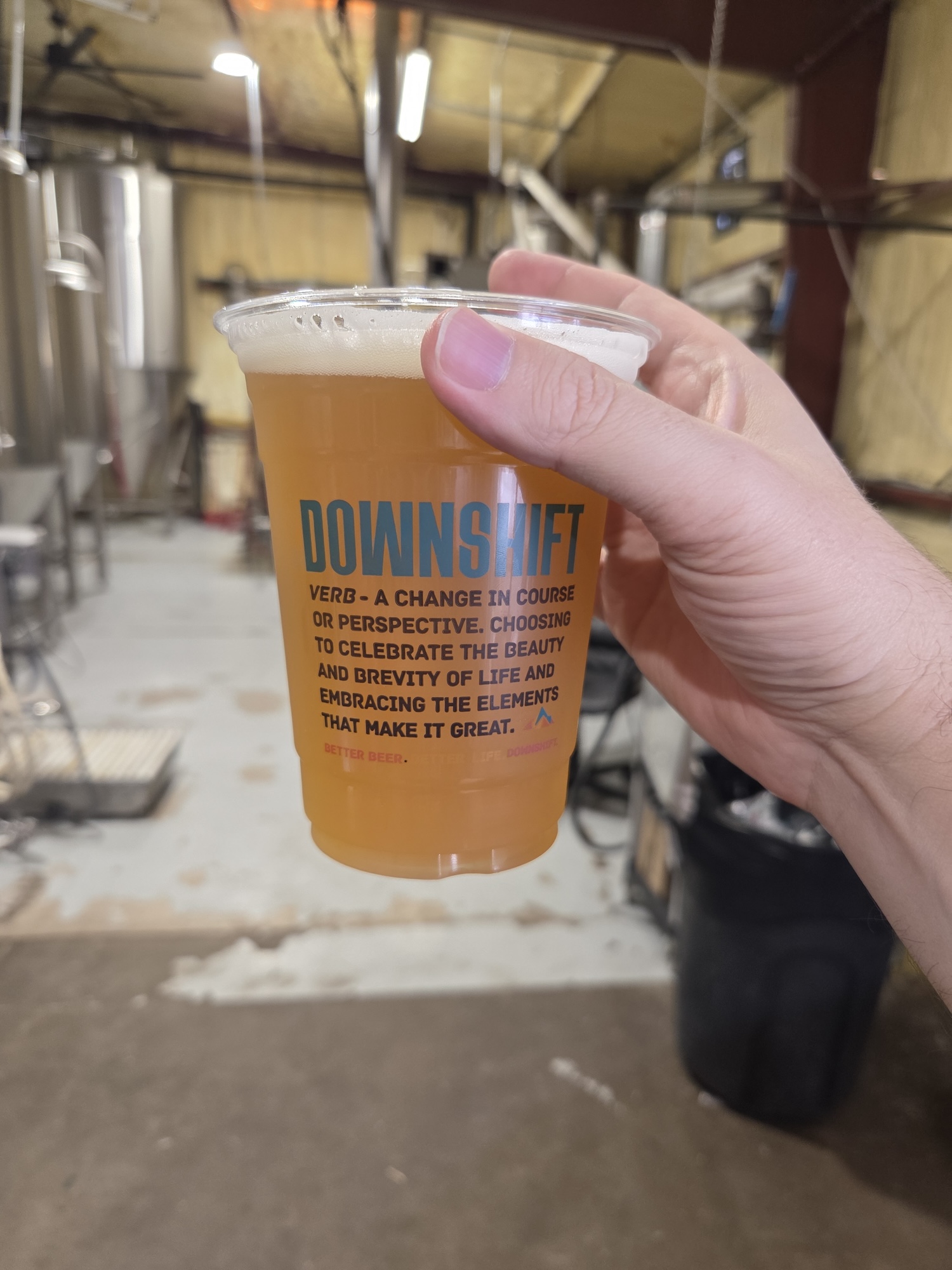
Luckily, with more space to brew and the like, Gutierrez can take longer and be more intentional with some of his beers. This year’s Oktoberfest lager, in particular, was a more traditional interpretation of a true German märzen.
“We were able to take a little more time,” Gutierrez said. “But, with any lager, you can give him little longer rest. You can give him a little more of that perfect fermentation time. We’ve taken advantage of that, too, with that beer specifically. That was six weeks in the tank.”
Downshift has certainly taken advantage of being the only real packaging-and-production brewery in their region. The next closest would be Icebox Brewing in Las Cruces.
“I would love to say that it was all by design,” Gutierrez said. “We opened Downshift in a market that was really not mature, but honestly it was just kind of luck of the draw that it was Ruidoso. I mean, that’s where we’re from. But I think the whole south of New Mexico is so underrepresented in terms of, like if you go to a bar, whatever they have on tap.”
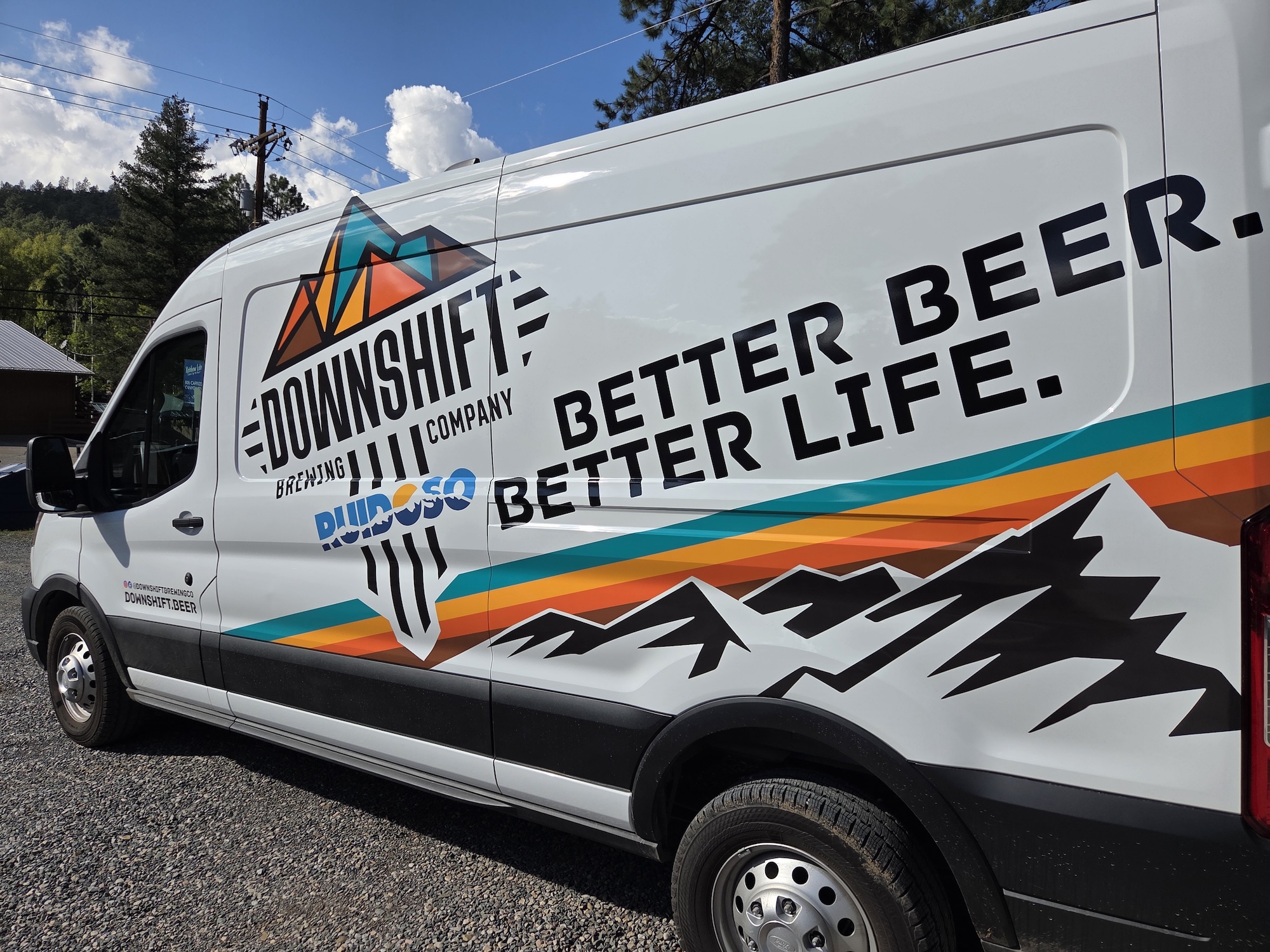
Downshift has also taken advantage of not being with a distributor, and instead just having Wren go door-to-door (or, bar-to-bar) in their new delivery van and meeting managers and owners in person.
“Having Bobby here, he can literally go to an account, and he might be the first person that works at a brewery that they ever met,” Gutierrez said.
As for the brewery, it will continue to evolve. Just a few days after our interview, a new piece of equipment arrived — a centrifuge.
“It’s a really cool unit,” Gutierrez said. “Actually, I don’t know how much you know about them, but most centrifuges are only for cold side. This one is hot and cold. OK, so we’ll knock out into the centrifuge and then back in.”
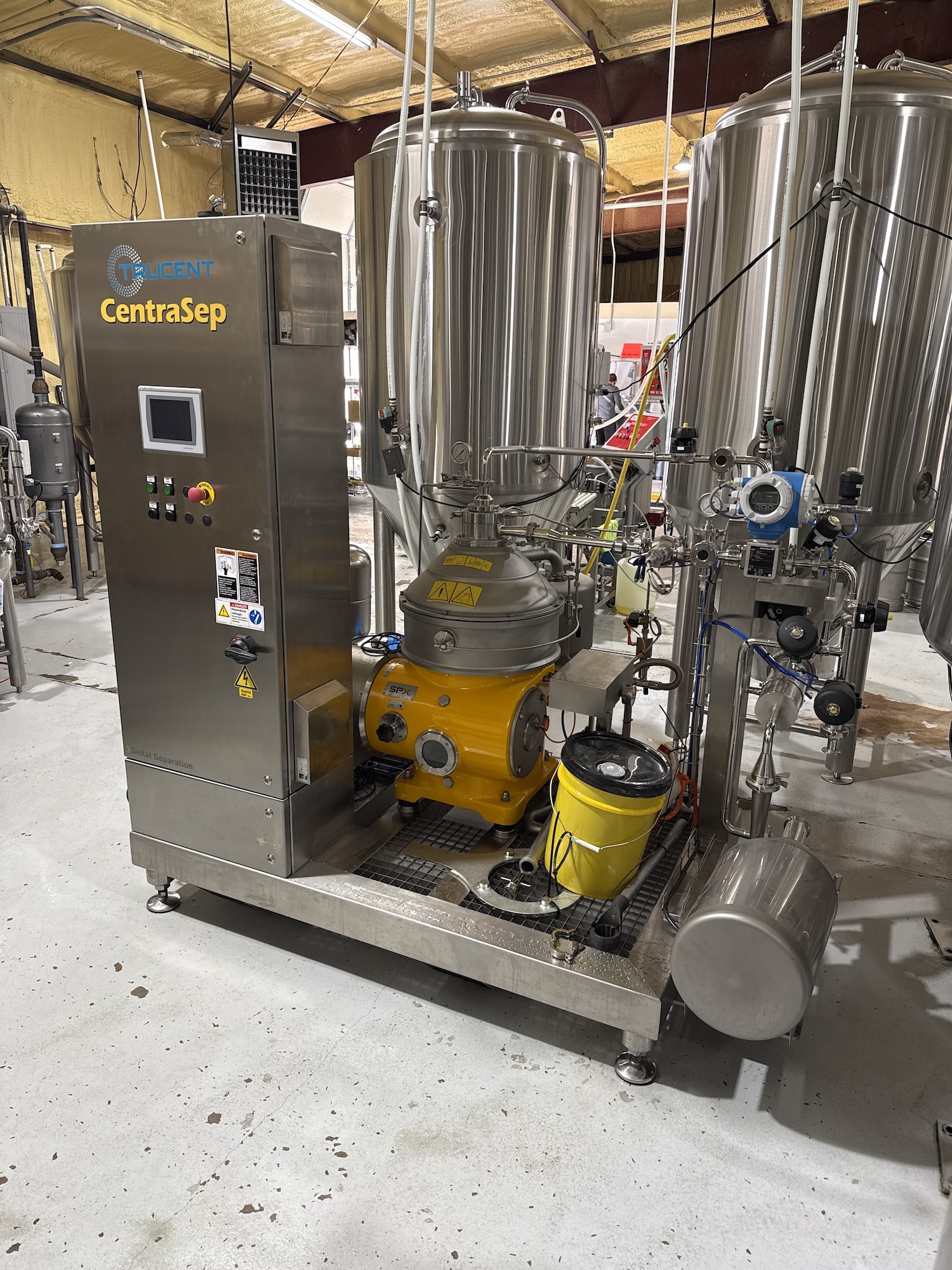
That should help improve some already quality beers, with Snow Day Hazy IPA in particular being one that Gutierrez said will become even better. Considering that he has brewed the last two runners-up hazy IPAs in the New Mexico Brewers IPA Challenge, that could evolve into the kind of rare hazy that this Crew of West Coast lovers could enjoy on the regular.
Oh, and of course it might just finally dethrone Boxing Bear’s Juice Boxer Hazy IPA as the challenge champion, but Gutierrez said one thing at a time.
In the end, the three of us in the Crew enjoyed every Downshift beer we had down there over the weekend. And, while a lot of it was Oktoberfest (naturally), we did our best to try everything else we could snag off the menu.
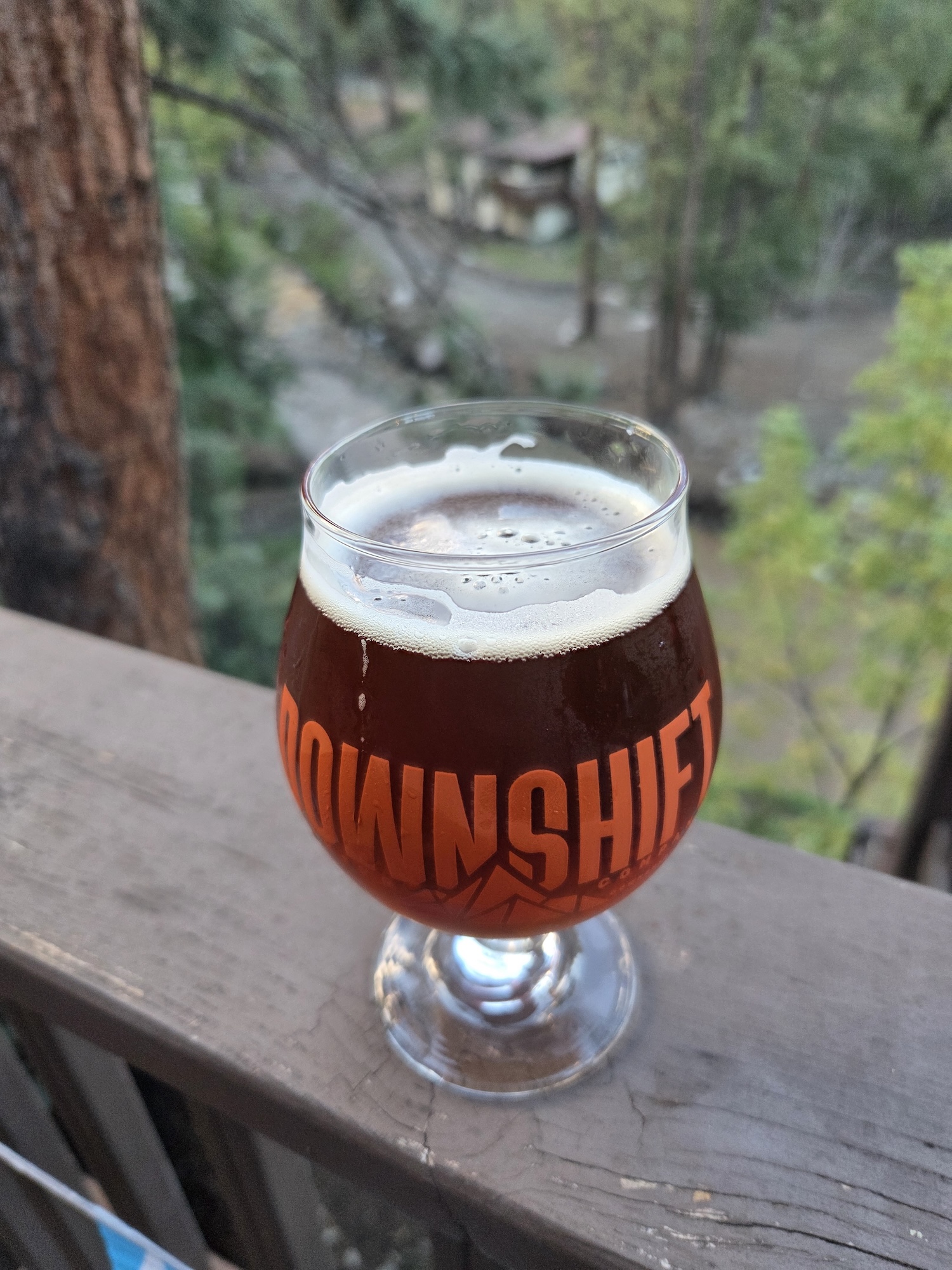
As for that barrel-aged barleywine, it will be canned. Just be prepared to fight us for those cans. No, seriously, we’re borrowing Franz Solo’s viking armory. Because we had the non-BA version of the barleywine, and it is life changing.
A big thanks to Eddie and his team for the hospitality over the weekend. Downshift has emerged as one of the true destination breweries in New Mexico, and things are looking even better and better going forward.
Keep supporting local!
— Stoutmeister

